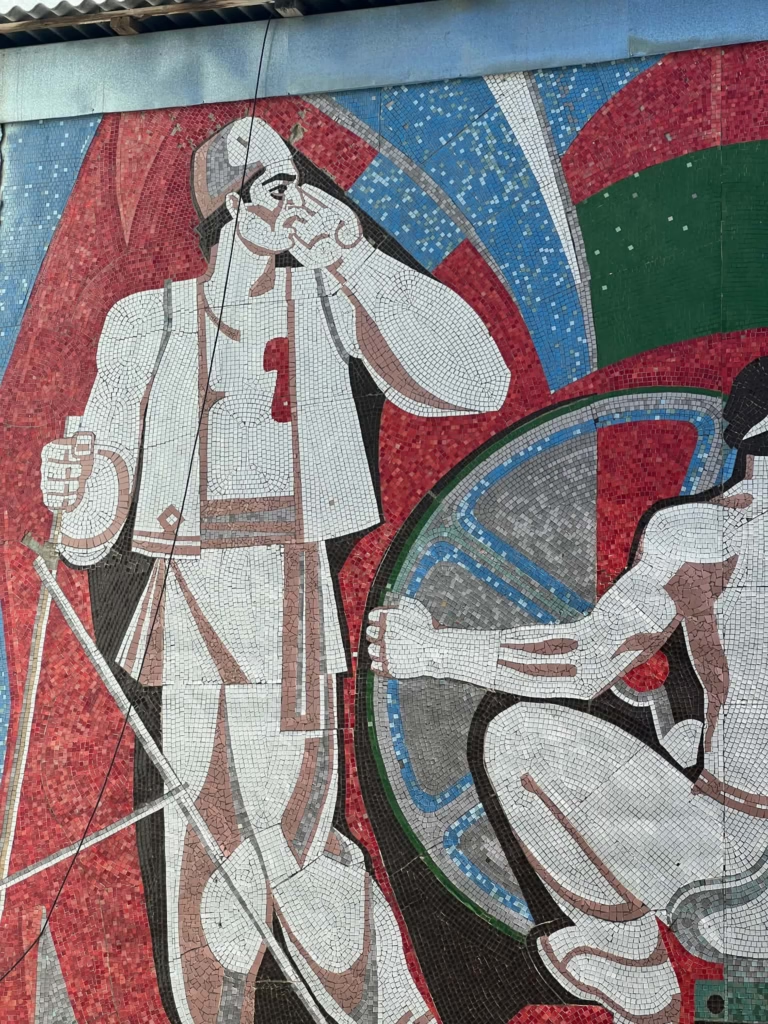
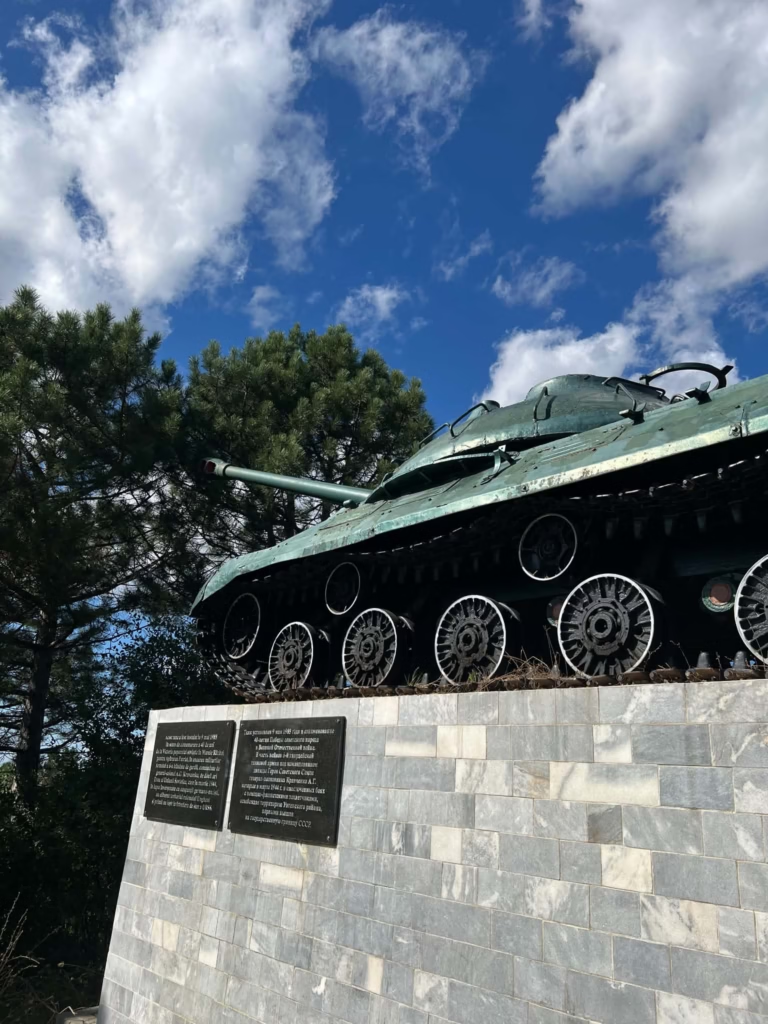
Walk through almost any town in Eastern Europe and you will find them: rows of prefabricated apartment blocks. These photos were taken around the blocks of Ungheni, a town on the Prut river that borders Romania. The town was first mentioned in 1462, but the Soviet years changed its size completely. According to census figures on Wikipedia, Ungheni had 11,129 inhabitants in 1959 and 25,792 in 1979.


The decree behind the blocks
In December 1954 Nikita Khrushchev criticised Stalinist architecture and called for industrialised construction. On 31 July 1957 the Soviet government adopted the resolution „On the Development of Housing Construction in the USSR”. It planned about 650 million square metres of housing, around 15 million apartments, by 1965.
Khrushchyovka and brezhnevka
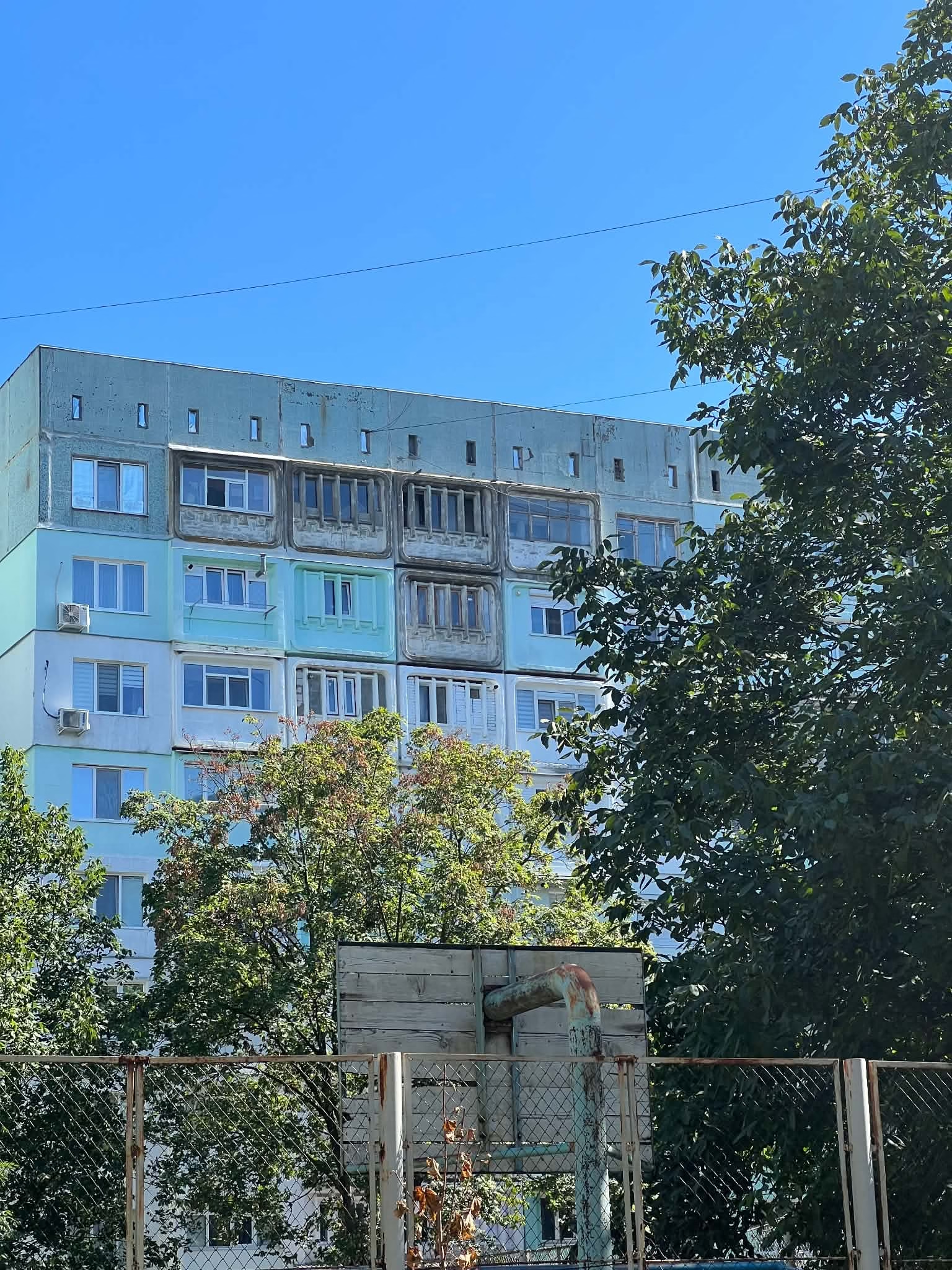
The first generation, called khrushchyovkas, were usually four or five storeys high and, under Soviet norms, had no elevators. Ceilings were about 2.5 metres and kitchens were small. Later buildings, called brezhnevkas, were taller, with elevators, bigger kitchens and garbage chutes.
Still home to millions
Many of these blocks are still lived in today. Residents have repainted balconies, glazed loggias and renovated interiors, which is why each block looks a little different. Many people see them as grey, but for others they are the place they grew up in.
Did you grow up in a block like this? Tell us which floor in the comments.
Sources: Wikipedia, „Ungheni” and „Khrushchevka”; Euromaidan Press, „Khrushchovka apartments”; Gateway to Russia, „Stalinka, khrushchyovka, brezhnevka”.